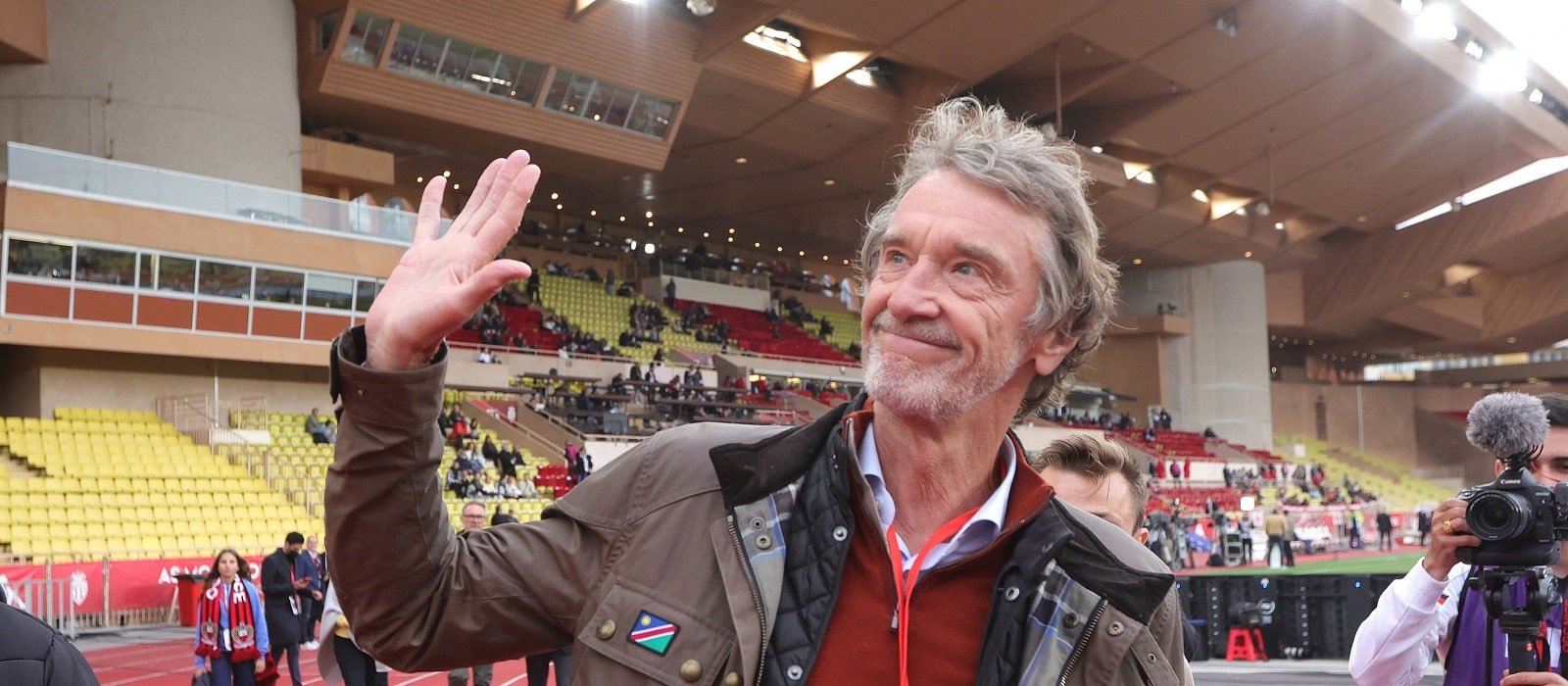
Sir Jim Ratcliffe, co-owner of Manchester United, has proposed the construction of a new stadium or the renovation of the existing Old Trafford, sparking discussions on potential public funding involvement.
The Athletic claims, with a projected cost of up to £2 billion for a new stadium, Ratcliffe has suggested involving the UK government, citing the lack of major sporting venues in the north of England compared to the south.
The concept aligns with the broader ‘Trafford Wharfside masterplan’ aiming to regenerate the area surrounding Old Trafford, which could transform it into a hub for 5,000 new homes and enhanced transport connections.
This proposal, supported by Trafford Council, positions United’s stadium at the center of regional development plans.
The idea of a ‘Stadium of the North’ could not only elevate United’s home ground but also catalyze northern England’s development, aligning with the government’s ‘Levelling Up’ agenda.
However, the balance between private wealth and public investment remains a contentious topic, with opinions divided on the best path forward for funding such an ambitious project.
Ratcliffe’s initiative comes after the Glazer family acknowledges financial constraints in refurbishing the iconic stadium.
The investment by Ratcliffe has rekindled hopes and discussions with local authorities, indicating a collaborative approach towards the area’s redevelopment.
However, the idea of utilizing taxpayer money for the project has sparked debate.
Critics argue that public funds should not support a wealthy private entity like ManUnited.
The club and local authorities might explore alternative financing methods, such as private investments or partnerships, rather than direct government subsidies.
The discussion extends beyond Manchester, as the involvement of public funds in private stadium projects is a common practice in the United States but less so in the UK and Europe.
The situation at United may set a precedent for future sports infrastructure developments in the UK.
United’s pursuit of stadium renovation or reconstruction is at a crossroads, with potential implications for local development and the broader debate on public funding for private ventures.
